Illustrating a design scenario is an engaging way to tell a story. It adds visuals and can add context to the viewer. The task here was to think of a design problem you have had in your career and tell the story with the solution visually. I really had a lot of fun with this one. My story was in regards to my time as an art director when I changed the way we collected and created photography for a publication.
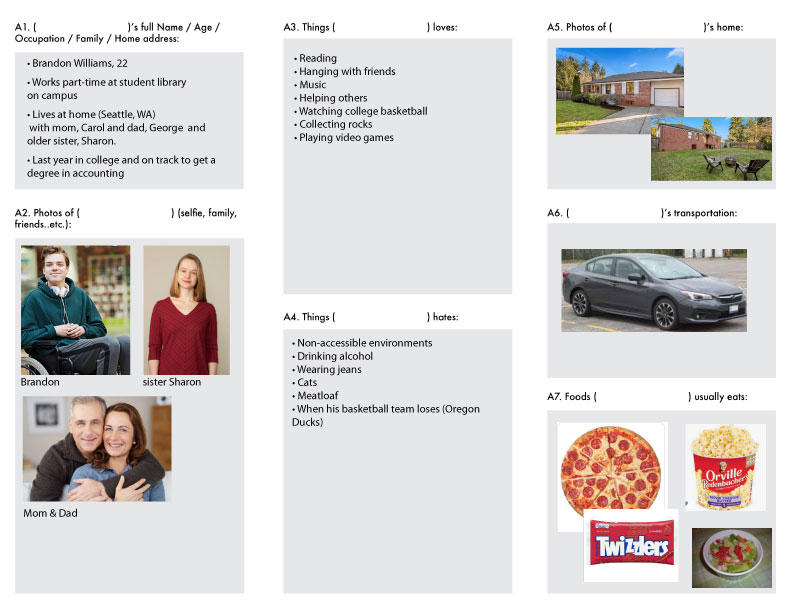
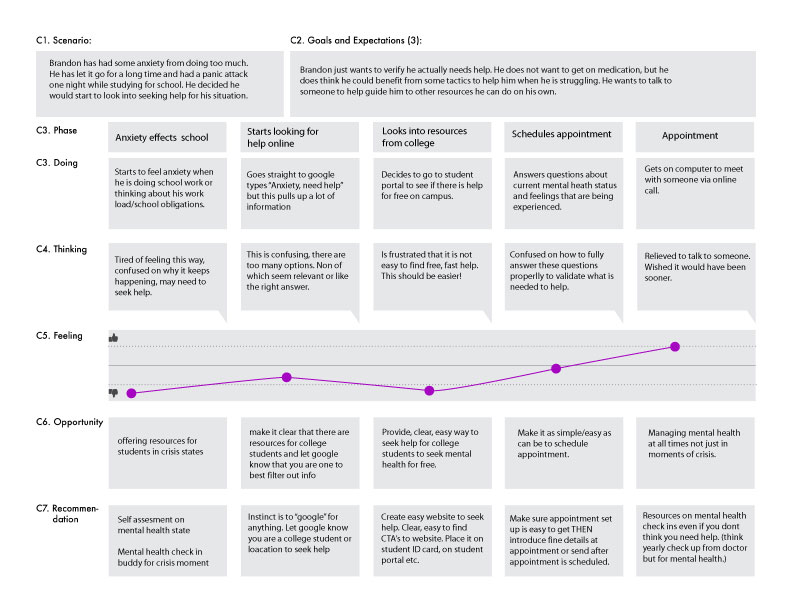
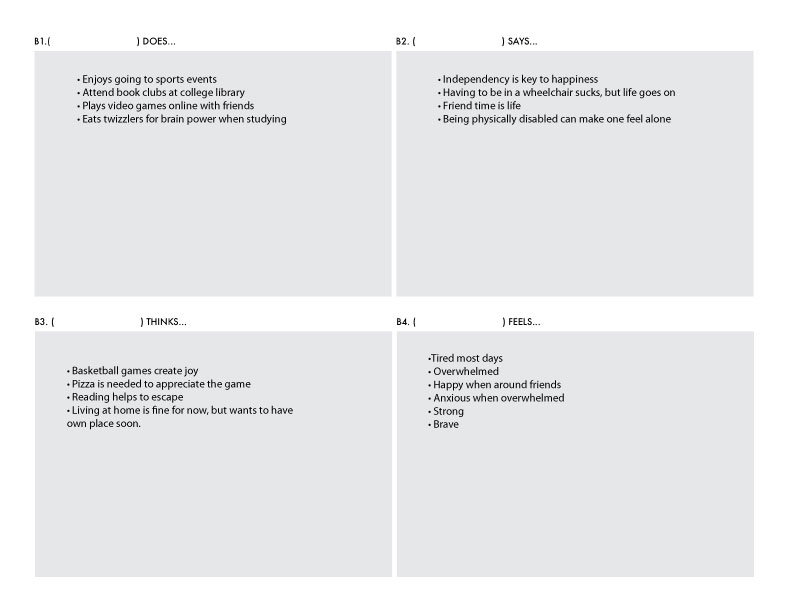
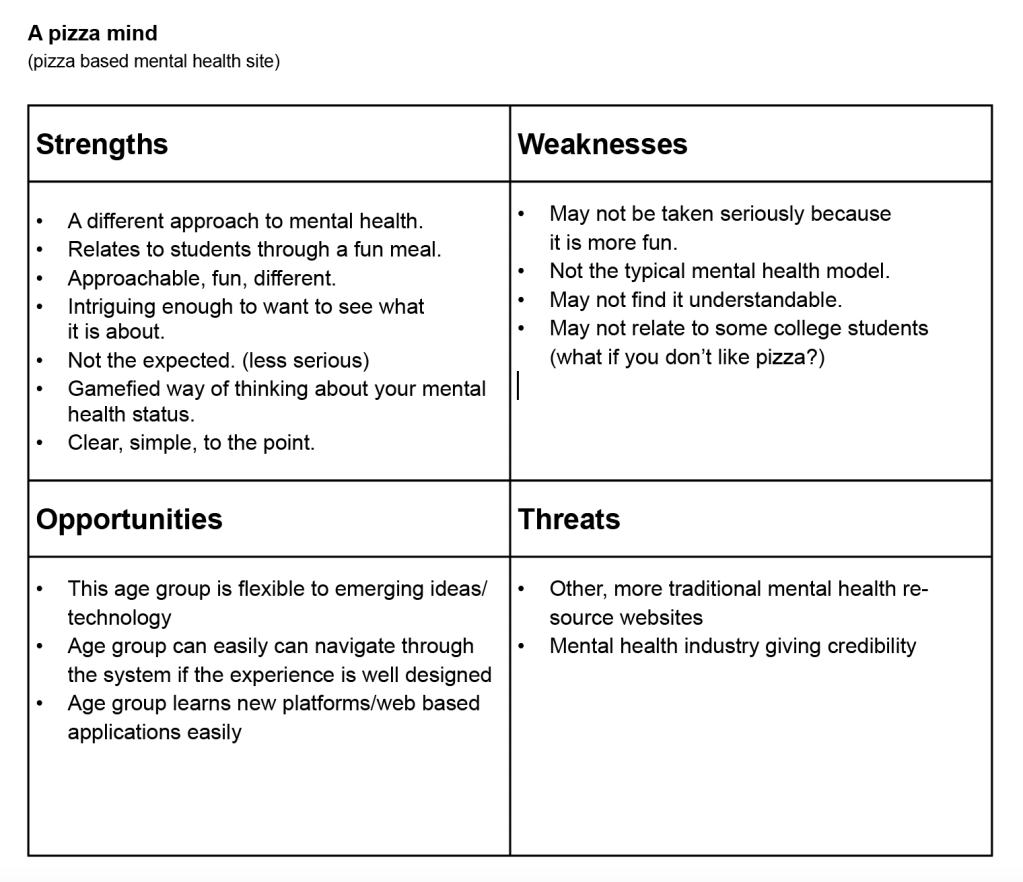
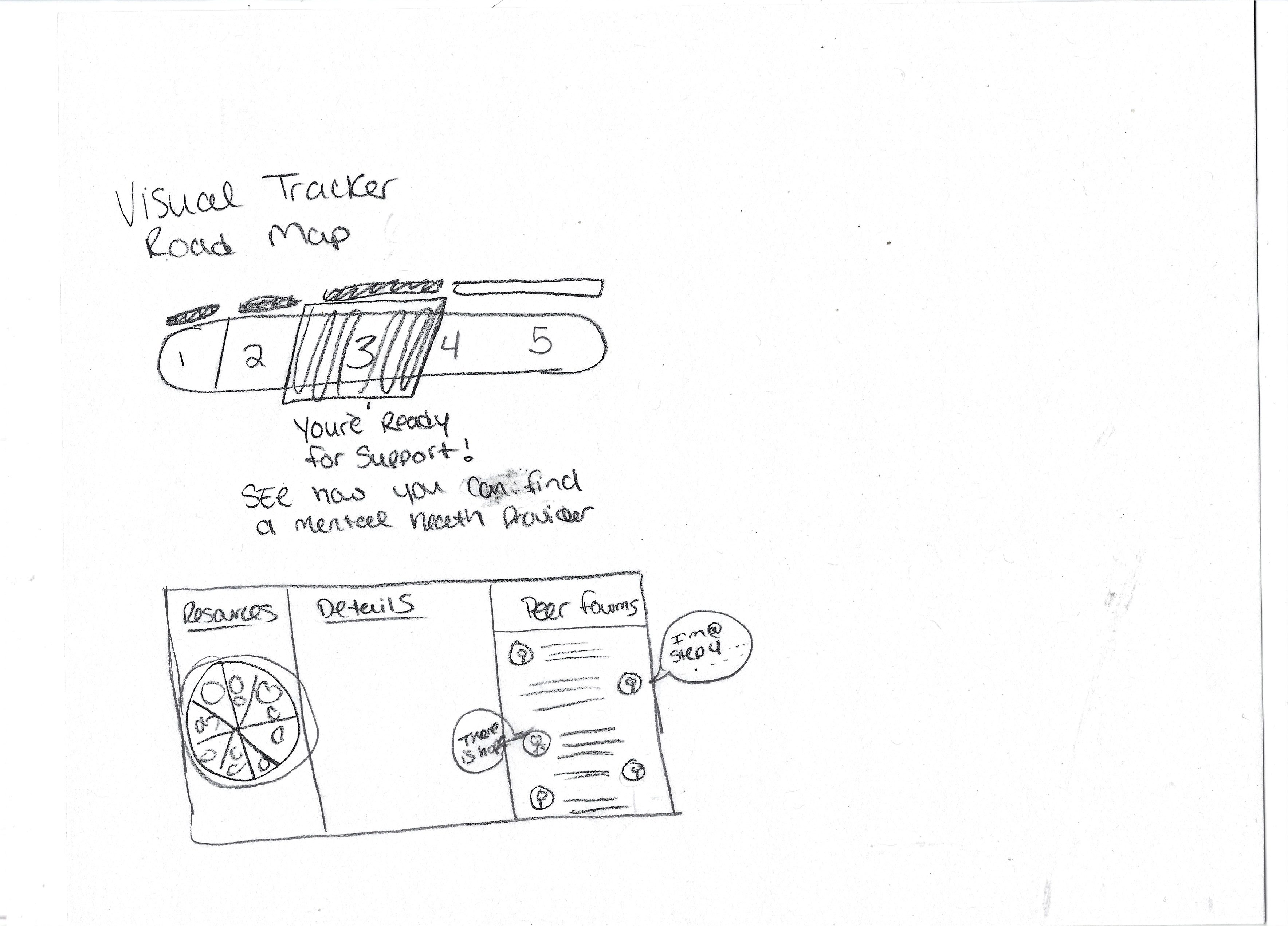
This is some progress work on researching/developing a persona for the mental health website for college students. With the target audience of college students in mind, I developed a persona who also has a physical disability. After research and using different design models, I realized although he has a physical disability the way that he would utilize the site is not much different than the average college student. Which is how my design thinking shifted from focusing on the disability to focusing on my users needs and likes. One of them being his love for pizza. Which will be the next round of iterations. Focusing on mapping out my idea for combining college student’s love for pizza with engagement in mental health resources.
Initial persona developmentJourney map of seeking help for mental healthEmpathy map of personaSWOT analysis of concept
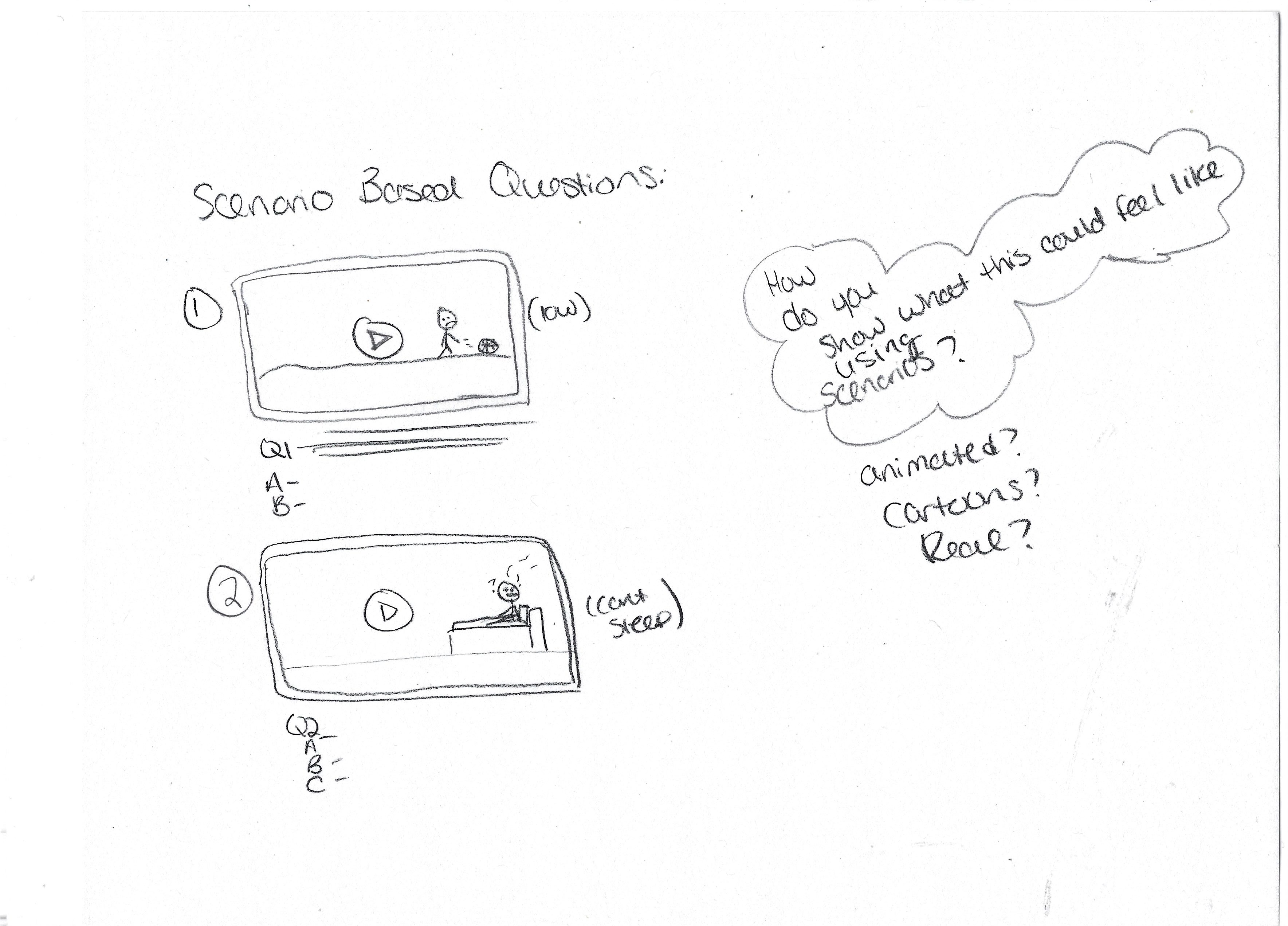
As we develop ideas to create a simple and easy to understand website for college students who seek mental health, we were tasked with using a design method called concept scenarios. Here, I tried to think of my persona and decided to focus on some ideas around their interests. Pizza, and friends are the two I focused on. What if you landed on a mental health website that was focused on pizza? How would this stand out to users? Would it be more approachable? What if the basic questions that were asked were asked by yourself or a peer VS the standard read a question, tick answer? Playing videos and showing what some of these depression situations could look like could also be helpful to the user to relate to how they are feeling. These are some ideas I am circling around for this project. We shall see what is to come!
For depression screening, showing scenarios through video/animation could help user identify.Peer-to-peer review/question asking may help user identify with others.A mental health website that is unique/less serious and focused on something like pizza may be refreshing take on traditional mental health sites and may create more engagement among users.
Persona wishlist
I have created a “wishlist” for my persona and what their needs for this website may be.
This video project was to create a build to think prototype. The prototype was to focus on a product or service that has not yet been created or invented. The video gives the viewer an idea of what this “could be” so a discussion could start on the idea and get people to think of how it could one day be a reality. I chose to design a service that would allow you to have decor shipped to your door. The decor could be borrowed (rented) or purchased. This idea allows for people to add some variety to their decor while being budget conscious.
My first video project for design scenarios was to create a spingboard video. The video was to be on a problem that you wanted to create a conversation around. I chose to focus on Autism awareness. The purpose of the video is to spark creative discussions and ideas around the topic. This would be a good way to start a brainstorming session and get key players interested and involved.



 Process+Growth in Design